Stop Treating Your Garnish Like a Sticker
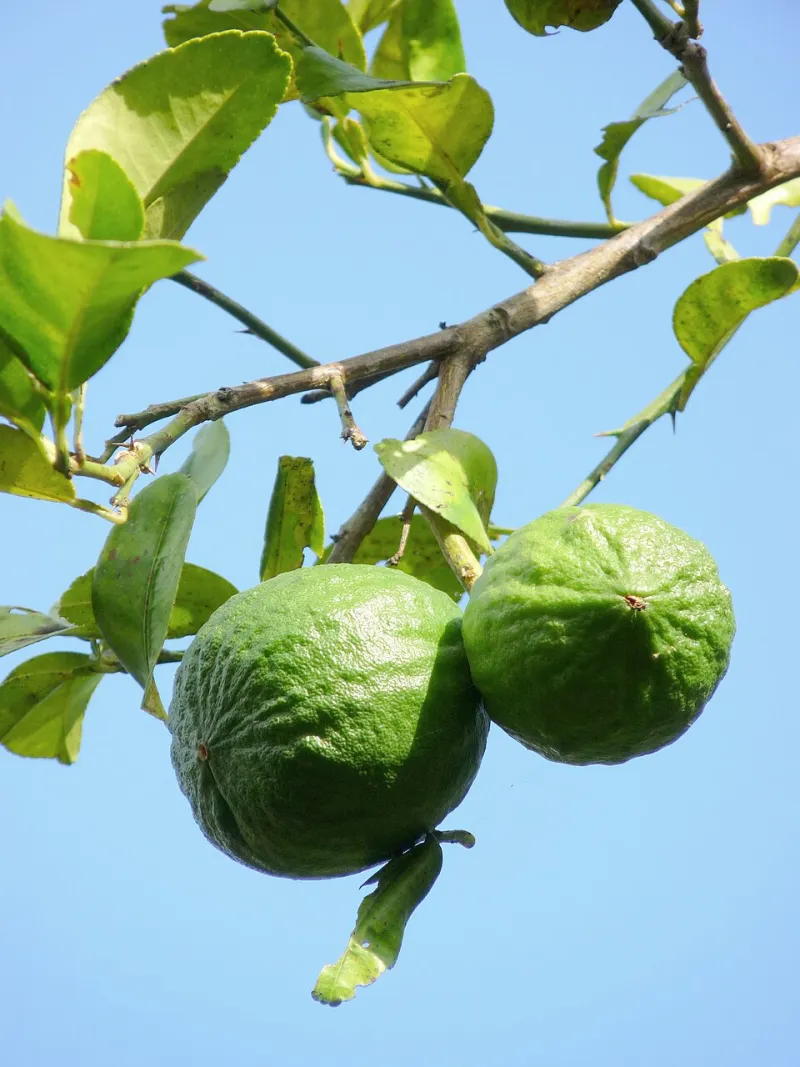
Photo: Jeevan Jose, Kerala, India, CC BY-SA 4.0, via Wikimedia Commons
Watch a good bartender work and you'll notice something: they treat the garnish as part of the recipe. Not the finish line, not the Instagram moment — the recipe. The peel gets expressed over the surface with intent. The sprig gets smacked, not dropped. The rim gets salted like it matters, because it does.
Then watch most home bartenders. The drink is measured, stirred, strained with care — and finished with a limp wedge of lime that's been in the crisper drawer since Tuesday. That's not a garnish. That's a sticker.
Every Garnish Does One of Two Jobs
Strip away the decoration debate and every useful garnish falls into one of two camps.
Aromatic garnishes work through your nose. Citrus oils, mint, rosemary smoke, a grating of nutmeg — they create a scent layer over the glass that changes the first sip before your mouth gets involved. A lemon twist on a Martini isn't a suggestion of lemon; it's a lemon-scented entryway into a drink that contains no lemon at all.
Functional garnishes work through your mouth. A brandied cherry you eat mid-drink. A salted rim that seasons each sip. A pineapple wedge that adds juice and texture as you work through a tiki drink. These are ingredients that arrive on the side.
The mistake is treating everything like the second category when most garnishes are the first. You don't eat a mint sprig in a Julep — you smell it every time your nose dips toward the glass. Which means how you prepare it matters enormously.
The Citrus Expression You're Skipping
If you learn one technique from this piece, make it this one. A twist of citrus peel holds a pocket of aromatic oil. Cut a coin of peel — pith trimmed — hold it over the drink, colored side down, and give it a firm squeeze with your thumb. You'll see the oils mist onto the surface of the drink. Then, optionally, rub the peel around the rim and drop it in.
That two-second step is the difference between an Old Fashioned that tastes flat and one that smells alive. Skip it and no amount of good whiskey saves you. The aroma layer is the first course of every drink you serve, and an unexpressed peel is serving it cold.
Rims: Seasoning, Not Crafting
The salted rim on a Margarita isn't a craft project — it's seasoning. And like any seasoning, it should be applied deliberately.
- Salt half the rim, not all of it. Every sip becomes a choice, and the unsalted portion lets the drink speak for itself.
- Use flaky or fine sea salt, applied to a wet rim only — citrus juice, not water — so it adheres in a thin, even layer.
- Spice rims should be toasted, not raw. Chili-lime blends like Tajín work because the chile and lime are already balanced. A homemade mix of toasted ancho, salt, and a little sugar beats anything from a shaker that's been open since 2019.
A rim done right seasons the drink. A rim done wrong overwhelms it and sheds into your lap. Both are common; only one is worth doing.
How a Bad Garnish Undoes a Good Drink
Here's the part that stings. A neglected garnish doesn't just fail to help — it actively works against you.
That tired lime wedge adds bitter pith and a faint note of refrigerator. A wilted mint sprig smells like nothing and looks like an apology. A cherry in red dye No. 40 drags a syrupy sweetness into a drink you balanced to the quarter ounce. You spent twenty minutes building a precise, cold, well-diluted cocktail, then garnished it with the flavor equivalent of a typo.
The fix costs almost nothing: buy fresh citrus weekly, keep a small jar of quality cherries, grow mint in a pot on the windowsill. Total investment, maybe fifteen dollars a month. Compared to what you spend on spirits, it's the cheapest quality upgrade in your entire bar.
The Bar Has No Rules About Beauty
You don't need knife skills or a peeler channel knife. A clean coin of peel, expressed oils, a fresh sprig placed where the nose goes — that's it. The garnish is the last ingredient to touch the drink and the first thing to touch the drinker. Give it the same attention you gave the pour, and your cocktails will taste finished in a way people notice but can't quite name.