Tiny Bottles, Big Flavor: Why Bitters Are the Most Underrated Tool Behind Any Bar
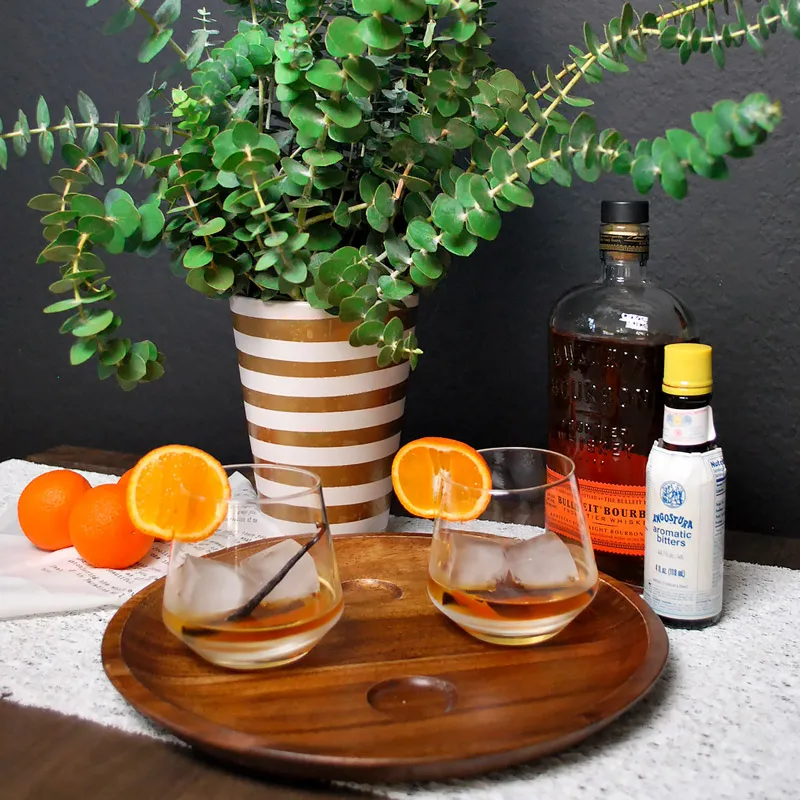
Photo: Personal Creations, CC BY 2.0, via Wikimedia Commons
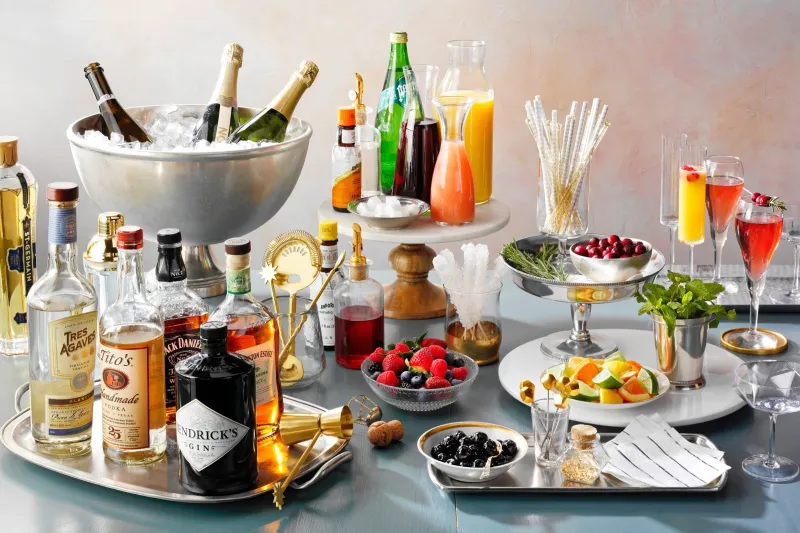
Walk into any serious craft cocktail bar in the country and you'll spot them lined up like a tiny apothecary: dozens of dark glass bottles, most of them barely bigger than a travel-size shampoo. Bitters. The bartender reaches for them like a chef reaches for salt — instinctively, confidently, without a second thought. But if you've ever stood in front of a liquor store shelf staring at a wall of options wondering what the difference actually is between Angostura and that fancy smoked walnut version, you're not alone.
Here's the thing: bitters might be the single most transformative tool in cocktail-making, and most home bartenders are barely using them. Let's fix that.
A Brief, Weird, and Wonderful History
Bitters didn't start out as a cocktail ingredient. They started as medicine. In the early 19th century, apothecaries across Europe and the American colonies sold alcohol-based herbal tinctures as cure-alls for everything from stomach ailments to malaria. Gentian root, cinchona bark, wormwood — these intensely bitter botanicals were steeped in high-proof spirit and marketed as health tonics.
The pivot to pleasure happened gradually. By the 1800s, Americans were mixing these tinctures with whiskey and sugar to make them more palatable, and the cocktail as we know it began to take shape. The very first printed definition of a "cocktail" — from a Hudson, New York newspaper in 1806 — describes it as a mix of spirits, water, sugar, and bitters. So yeah, bitters were there at the beginning. They're basically the founding fathers of cocktail culture.
Prohibition nearly killed the bitters industry. Most producers shuttered, and the category shrank to a handful of survivors. The craft cocktail revival of the early 2000s brought them roaring back, and today the American bitters market is exploding with small-batch producers pushing flavor boundaries in every direction.
What's Actually in There? The Chemistry Explained
At their core, bitters are high-proof alcohol infused with a combination of bittering agents and flavoring botanicals. The bittering agents — typically gentian root, cinchona bark, or quassia — bind to your taste receptors and trigger that sharp, complex sensation that makes your mouth water and your palate perk up.
That's actually the key function bitters serve in a drink: they stimulate saliva production, which primes your palate to taste more intensely. Think of them like a flavor amplifier. They're not supposed to dominate the drink — they're supposed to make everything else in the glass taste more like itself.
Beyond the bittering agents, producers layer in aromatics, spices, herbs, citrus peels, and even things like chocolate, coffee, or smoked wood. These secondary botanicals are where individual products develop their personalities. The result is a concentrate so potent that just two or three dashes — we're talking maybe a milliliter — can perceptibly shift the character of an entire cocktail.
From a chemistry standpoint, bitters also play a role in emulsification. The bitter compounds help marry fat-soluble and water-soluble flavor molecules together, which is part of why a dash of bitters in a stirred spirit-forward drink creates a texture that feels more cohesive and round on the palate.
Getting to Know the Main Flavor Families
Not all bitters are the same, and using the right one matters. Here's a quick breakdown of the major categories you'll encounter:
Aromatic Bitters — The classic category. Think Angostura, Fee Brothers Old Fashioned, or Bittercube Trinity. These are spice-forward with notes of clove, cinnamon, and warm baking spices. They're the Swiss Army knife of the bitters world and work in almost everything — Old Fashioneds, Manhattans, Champagne cocktails, even a simple gin and tonic.
Citrus Bitters — Bright, zesty, and a little more approachable. Orange bitters (Regans' No. 6 is a benchmark) are essential in a classic Martini and add lift to tequila drinks. Grapefruit bitters work beautifully in Palomas or anything with mezcal.
Chocolate and Coffee Bitters — Richer and more indulgent, these are great for adding depth to aged spirits. A couple dashes of chocolate bitters in a barrel-aged Manhattan is genuinely transformative. Coffee bitters can pull double duty in a Espresso Martini variation or add a roasty note to a bourbon sour.
Herbal and Floral Bitters — Lavender, chamomile, cardamom — these bitters skew more delicate and are excellent in gin-based cocktails or lighter, aperitivo-style drinks. Scrappy's Cardamom Bitters have developed a cult following for a reason.
Regional and Specialty Bitters — This is where things get fun. Small producers across the US are making bitters flavored with everything from smoked chili to black walnut to celery. Hella Cocktail Co. out of Brooklyn, Bittermilk out of Charleston, and Dram Apothecary in Colorado are just a few worth tracking down.
Talking to the Makers
We reached out to a few small-batch producers to get their take on what home bartenders consistently get wrong.
"People think of bitters as a garnish," says one maker who produces a line of regionally inspired bitters out of the Pacific Northwest. "They add them at the end, almost apologetically. But bitters should be part of your build from the start. Think about how they're going to interact with your sweetener, your acid, your base spirit."
Another producer, based in New Orleans and deeply influenced by the city's Creole apothecary tradition, emphasized patience. "The best bitters are aged. Don't rush it. The botanicals need time to meld. What you taste right after you make a batch is nothing like what you taste three months later."
The takeaway from both conversations: bitters reward intentionality. They're not a magic shortcut — they're a tool that responds to how thoughtfully you use them.
Building Your Home Collection
You don't need 40 bottles to get started. Here's a practical starter shelf:
- One aromatic bitter — Angostura is the classic. You can't go wrong.
- One orange bitter — Regans' No. 6 or Fee Brothers West Indian Orange.
- One wildcard — Pick something that excites you. Chocolate, celery, cardamom. Let your curiosity lead.
From there, expand based on what you're actually making. If you're into mezcal cocktails, grab a mole or smoke-forward bitter. If you love gin, explore floral options. Let your drinking habits drive your collection.
Storage is simple: keep them in a cool, dark place. Their high alcohol content makes them shelf-stable for years, so don't stress about that.
Two Recipes to Put Your Bitters to Work
The Good Mixer Old Fashioned In a mixing glass with ice, combine 2 oz bourbon, ¼ oz simple syrup, 3 dashes aromatic bitters, and 1 dash chocolate bitters. Stir for 30 seconds. Strain over a large ice cube in a rocks glass. Express an orange peel over the top and drop it in.
Bitter Paloma In a highball glass with ice, combine 2 oz blanco tequila, ¾ oz fresh grapefruit juice, ½ oz lime juice, ½ oz agave syrup, 2 dashes grapefruit bitters. Top with sparkling water. Stir gently and garnish with a salted grapefruit wedge.
The Bottom Line
Bitters are the punctuation of a cocktail. Without them, even a well-built drink can feel like a sentence that just kind of trails off. With them, everything snaps into focus. They're inexpensive, endlessly varied, and deeply rooted in American drinking history. There's no reason not to have a few bottles on your counter right now.
Start with the basics. Get curious. Experiment freely. That's what The Good Mixer is all about.