Why Your Cocktail Tastes Off: Spirit Combinations That Clash (and the Weird Ones That Work)
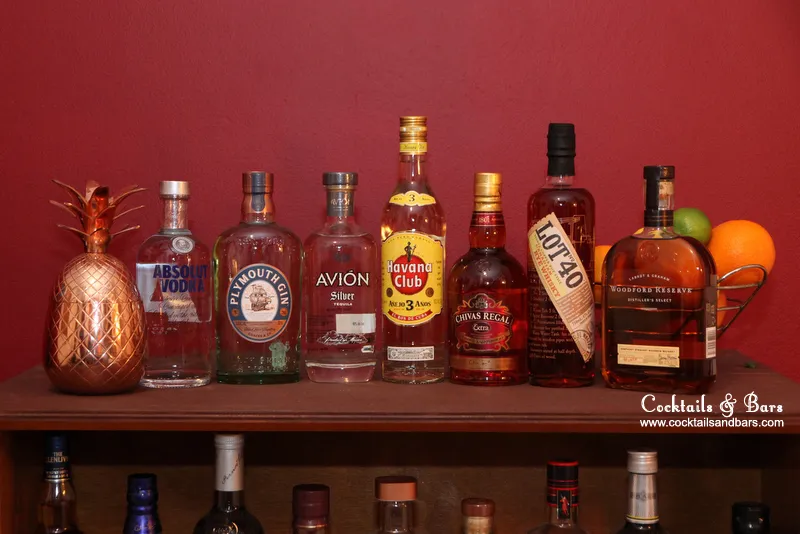
Photo: assorted cocktail spirits bottles on home bar with mixed drinks, via www.cocktailsandbars.com
You followed the recipe. You used decent ingredients. The ratios looked right. And yet — something about this cocktail is just off. It's not bad, exactly, but it's muddy. Disjointed. Like two people talking over each other at a party.
Chances are, the problem isn't your technique. It's the spirits themselves, and whether they actually belong in the same glass.
Multi-spirit cocktails are everywhere right now. The Long Island Iced Tea has been doing it for decades. Tiki culture built an entire aesthetic around layering rum expressions. And modern bartenders are mixing mezcal with aged rum, bourbon with amaro, and gin with tequila in ways that would have seemed unhinged fifteen years ago. Some of these combinations are genuinely brilliant. Others are genuinely terrible. The difference comes down to flavor science — and a little bit of honest experimentation.
Why Spirits Clash in the First Place
Every spirit carries a distinct flavor architecture. Bourbon brings vanilla, caramel, and oak. Blanco tequila is bright and vegetal with a peppery finish. A peated Scotch is smoky, earthy, and medicinal. Gin is botanical and aromatic, often floral or piney depending on the style.
When two spirits share complementary flavor compounds, they can reinforce each other and create something that tastes more complete than either one alone. When they don't, the result is what bartenders sometimes call a "flavor collision" — competing notes that fight for dominance and leave your palate confused rather than satisfied.
The most common clashes happen when two spirits both bring aggressive, dominant characteristics with no shared middle ground. Think heavily peated Islay Scotch paired with a funky Jamaican rum. Both are loud, both are complex, and neither one is willing to step aside. The result is a drink that's busy in the worst way — you're tasting everything and nothing at the same time.
Another frequent mistake is mixing spirits that share a similar flavor profile but at very different intensities. A delicate, floral gin paired with an overproof bourbon doesn't blend — it just gets steamrolled. The bourbon wins by volume, and you're essentially just drinking bourbon with a hint of something vaguely herbal.
The Worst Offenders: Pairings to Avoid
Peated Scotch + Tequila (especially blanco): This one shows up occasionally in adventurous cocktail menus and almost always disappoints. The sharp, grassy agave notes in blanco tequila and the smoke-and-iodine character of a heavily peated Scotch don't find a meeting point. They just take turns being unpleasant.
Gin + Bourbon: This pairing has a small but vocal fanbase, and with very specific selections it can work — but as a general principle, the botanical complexity of gin and the sweet oak warmth of bourbon are pulling in completely opposite directions. The result often tastes muddled and slightly medicinal. If you're determined to try it, use a London Dry gin with a high-rye bourbon, and keep the gin as a supporting player, not an equal partner.
Flavored Vodkas + Anything Nuanced: This is less about spirit-on-spirit chemistry and more about respect for your other ingredients. A whipped cream vodka or a cake-flavored spirit will overwhelm any subtle modifier you add. The artificial sweetness doesn't play well with natural flavors, and the result tends to taste like a novelty rather than a cocktail.
Multiple Aged Spirits at Full Proof: Two full-proof aged spirits — say, a 100-proof rye and a 90-proof cognac — can create a heat problem that no amount of dilution fully solves. The cumulative alcohol presence becomes the dominant flavor, and everything else gets lost.
The Surprising Pairings That Actually Work
Now for the fun part.
Mezcal + Aged Rum: This combination sounds like it should be a disaster — smoke meets tropical sweetness — but it works because they share a common thread of roasted, caramelized complexity. A good añejo rum brings vanilla and dried fruit; mezcal brings char and earth. Together, they create something that tastes like a bonfire on a beach in the best possible way. Try equal parts in a stirred cocktail with a touch of agave syrup and a few dashes of mole bitters.
Bourbon + Amaro: Technically amaro is a liqueur, not a spirit, but it's worth including here because the combination consistently surprises people. The bitter herbal notes in a medium amaro like Averna or Montenegro act as a bridge between the sweetness of bourbon and whatever else is in the glass. The Black Manhattan — bourbon swapped in for rye, with Averna in place of sweet vermouth — is the proof of concept.
Cognac + Rum: This is actually a classic combination that fell out of fashion for a while and is quietly making a comeback. The fruity, grape-forward warmth of cognac and the sugarcane sweetness of aged rum share enough aromatic DNA to feel cohesive. The Sidecar's cousin lives here, and it's worth exploring.
Blanco Tequila + Dry Gin: Counterintuitive, but hear it out. A cucumber-forward or citrus-heavy gin can amplify the bright, vegetal qualities of a good blanco tequila rather than fighting them. The key is proportion — gin as a supporting player at about 30% of the total spirit volume — and a build that leans into citrus and herbaceous modifiers.
The Concept of Flavor Bridging
The bartenders who make unexpected pairings work aren't just guessing. They're using a principle called flavor bridging — introducing a third ingredient that connects two otherwise incompatible spirits by sharing characteristics with both.
A smoky mezcal and a funky rhum agricole might not work together directly, but add a modifier with grassy, herbal notes — green Chartreuse, for example, or a fresh herb syrup — and suddenly there's a through-line. The bridge ingredient doesn't need to be dominant; it just needs to create a shared context.
Bitters work this way too, which is part of why they're so valuable in complex cocktails. A few dashes of the right bitters can smooth over a rough edge between two spirits that are almost compatible but not quite.
How to Experiment Without Wasting Good Booze
Before committing to a full cocktail build, try the spirits together in a small-format taste. Pour a quarter ounce of each into a glass, add a few drops of water to open them up, and just smell them together. Your nose will tell you a lot before your palate even gets involved. If the aromas feel complementary — if one seems to lift the other rather than compete — that's a green light to keep developing.
Start with a dominant spirit (usually 60-70% of total spirit volume) and a supporting spirit, rather than splitting things evenly. Equal-parts multi-spirit builds are harder to balance and more likely to result in that muddled, competing-flavors problem.
And keep notes. Seriously. The combinations worth repeating are easy to forget if you don't write them down, and the disasters are worth remembering so you don't repeat them.
The best cocktail you've never had might be one unexpected pairing away. Just maybe not the peated Scotch and tequila one.