Why Two Identical Cocktails Can Taste Completely Different

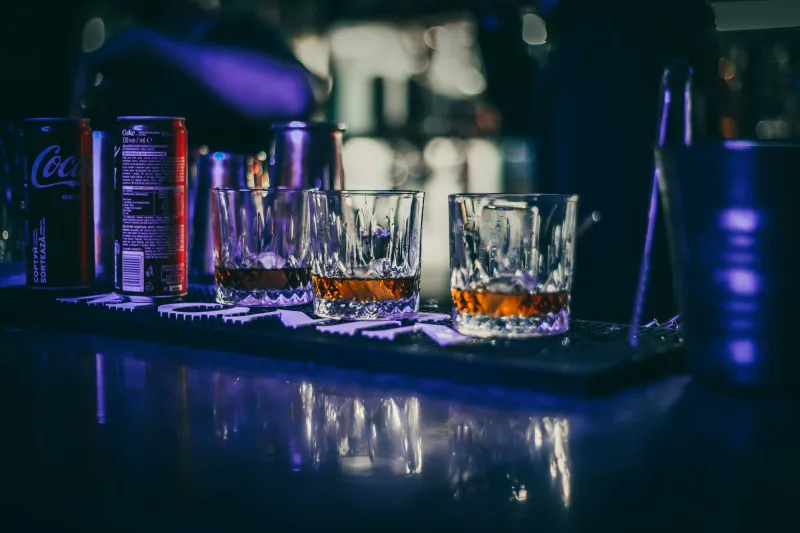
Photo: Achim Schleuning, CC BY-SA 4.0, via Wikimedia Commons
Here's a scenario that'll mess with your head a little. You make a whiskey sour at home, and it's fine — a little sharp, a bit thin. You order the same drink at a craft bar downtown, and it's somehow rounder, fuller, almost creamy. You ask the bartender what they did differently. They list the same ingredients you used. So what gives?
The answer isn't in the recipe. It's in the physics.
Taste is only part of how you experience a cocktail. The rest is mouthfeel — the viscosity of the liquid, how much it's been diluted, and how hard the alcohol is hitting the back of your throat. These factors don't just add texture. They actively shape which flavors you perceive, how long they linger, and whether the whole thing feels balanced or like it's fighting itself.
Once you get this, you'll never look at a cocktail the same way.
What Mouthfeel Actually Means (and Why It's Not Just About Egg White)
When bartenders talk about mouthfeel, they're describing the physical sensation a drink creates as it moves through your mouth. Is it watery or coating? Does it feel light or weighty? Does it finish clean or does something stick around?
Viscosity is the technical term for a liquid's resistance to flow — basically, its thickness. Water has very low viscosity. Honey has very high viscosity. Most cocktails live somewhere in between, and where they land has a huge impact on the drinking experience.
Ingredients like simple syrup, honey syrup, agave nectar, and liqueurs all add body to a drink. So does egg white, cream, and even certain spirits that are naturally oilier — think aged rum or a good reposado tequila. When a cocktail has enough viscosity, it coats your tongue in a way that extends contact with your taste receptors, which means you get more flavor from the same amount of liquid.
A thin, watery cocktail rushes past your palate. A cocktail with proper body lingers just long enough to actually register.
Dilution Is a Feature, Not a Flaw
A lot of home bartenders treat dilution like something to minimize. You shake hard and fast, or you stir just enough to chill the drink, worried that more water means a weaker cocktail. But here's the thing — dilution is one of the most powerful tools you have behind the bar.
When spirits sit at full proof, the alcohol molecules are tightly packed and can actually suppress certain aromatic compounds. A small amount of water — yes, actual water — causes those molecules to spread out, releasing volatile aromatics and making the drink smell and taste more expressive. It's the same reason whiskey drinkers add a splash to their glass.
The goal with cocktail dilution isn't to water anything down. It's to hit a sweet spot where the alcohol has opened up, the flavors are integrated, and the drink feels cohesive rather than harsh. That's why shaking or stirring time matters so much, and why temperature plays into it — colder water dilutes more slowly, giving you more control.
Under-diluted cocktails tend to taste hot, sharp, and disjointed. Over-diluted ones go flat and thin. The difference between a good cocktail and a great one is often just a few extra seconds in the shaker.
Alcohol Burn and the Perception Problem
High-proof spirits are delicious. They're also aggressive. Alcohol activates the same pain receptors in your mouth that respond to heat — which is why a 100-proof bourbon can feel like it's burning even when it's ice cold. That sensation isn't just uncomfortable. It actively interferes with your ability to taste.
When your palate is overwhelmed by alcohol burn, the subtler notes in a cocktail — the floral hints, the citrus brightness, the faint spice from a good vermouth — get drowned out. You're not tasting less because there's less flavor. You're tasting less because your sensory receptors are busy processing a pain signal.
This is why proof matters beyond just alcohol content. A cocktail built around a 80-proof base spirit with proper dilution can deliver more perceived flavor complexity than the same drink made with a cask-strength whiskey that hasn't been balanced correctly. It's not about going weak — it's about making sure the proof level isn't bulldozing everything else in the glass.
If you've ever had a cocktail that tasted flat despite using a high-quality spirit, burn suppression might be the culprit. Try adding just a touch more citrus or syrup to blunt the alcohol's edge, and see how much more of the spirit's character comes through.
How These Three Things Work Together
Viscosity, dilution, and alcohol burn don't operate in isolation. They're constantly interacting, and small changes to one affect the others.
Increase the syrup in a cocktail and you raise viscosity — but you also soften the perception of burn, because sweetness is a known counterbalance to alcohol heat. Shake longer and you add more dilution — which reduces burn but also thins the body slightly, which is why some bartenders use a richer syrup (2:1 instead of 1:1) to compensate. Use a higher-proof spirit and you might need more citrus, more sweetness, and more dilution to bring everything back into alignment.
This is why professional bartenders talk about "balance" like it's almost a physical thing rather than just a flavor concept. A well-balanced cocktail isn't just hitting the right notes on the taste spectrum — it's also achieving the right weight, the right amount of warmth, and the right finish on the palate.
Practical Fixes for Your Home Bar
You don't need a chemistry degree to put this into practice. A few simple adjustments can make a real difference.
Shake longer than you think you need to. Most home bartenders under-shake. Aim for a full 12 to 15 seconds with ice, especially for citrus-forward drinks. You want the shaker to frost over and feel almost painfully cold in your hand.
Try a rich syrup. Swapping a standard 1:1 simple syrup for a 2:1 ratio adds noticeable body without making drinks sweeter, because you use less of it. It's an easy way to build weight into a cocktail.
Pay attention to your spirit's proof. If a recipe calls for an 80-proof spirit and you're using something bottled at 100 proof, adjust accordingly — a little more citrus, a slightly longer shake, maybe a few extra drops of water.
Taste before you pour. This sounds obvious, but it's the single best habit you can develop. Does the drink feel thin? It probably needs more body or more time on ice. Does it feel hot and rough? More dilution or a touch more sweetness will help.
The goal is a cocktail that feels like a complete, unified experience — not a collection of separate flavors competing for attention. When the mouthfeel is right, everything else clicks into place, and that's when a good drink becomes something genuinely memorable.