Build It Smart: How to Grow a Home Bar Around Flavor Families, Not Random Bottles

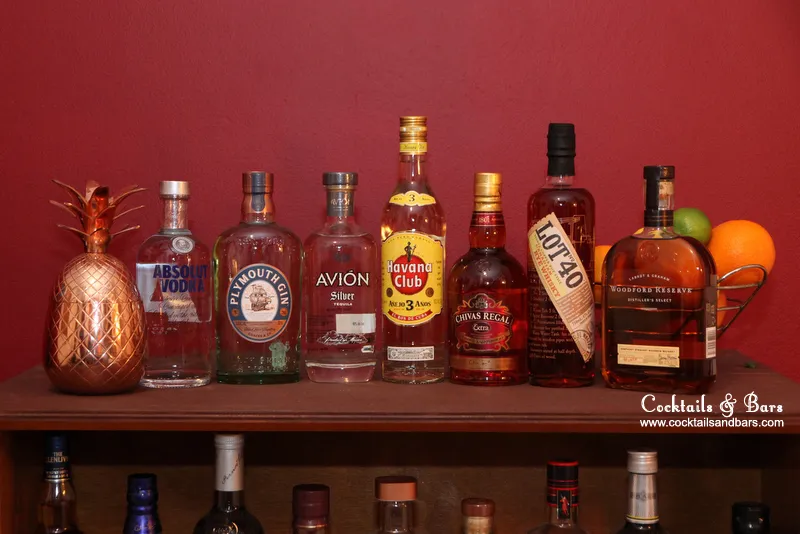
Photo: home bar shelf organized spirits bottles liquor collection, via reneeromeo.com
Let's be honest about how most home bars get built. Someone discovers they like Old Fashioneds and buys a bourbon. Then a friend brings over a mezcal. Then there's a sale on rum, and hey, that gin looked interesting at the liquor store. Before long, you've got eleven bottles, no clear system, and somehow you still can't make half the cocktails you actually want to drink.
There's a better approach — and it's the one that thoughtful home bartenders and professional bar programs both use. Instead of buying randomly, you build around flavor families: groups of spirits that share core characteristics and play well together in overlapping cocktail applications. When every bottle on your shelf belongs to a coherent system, your bar becomes genuinely modular. One new addition unlocks a dozen new drinks rather than just one.
Start With Anchors, Not Accessories
Before you think about expanding, you need a real foundation. Most cocktail guides recommend the same six or eight bottles, and honestly? They're right. A solid whiskey (bourbon or rye), a London dry gin, a blanco tequila, a white rum, a dry vermouth, and a bottle of orange liqueur will get you further than you think. These aren't boring — they're anchors. Every bottle you add after this should connect back to at least one of them.
The mistake most people make at this stage is buying premium versions of everything at once. Don't. A mid-shelf bourbon like Buffalo Trace or Elijah Craig does more work in cocktails than a bottle twice the price. Save the fancy stuff for sipping neat. Your mixing bottles are tools, and a reliable $25–35 workhorse beats an inconsistent $60 showpiece every time.
Thinking in Flavor Families
Here's where things get interesting. Rather than thinking in spirit categories (whiskey, rum, tequila), start thinking in flavor profiles. This reframes how you see your bar and makes expansion decisions much clearer.
The Smoke & Earth Family includes mezcal, peated Scotch, and certain agricole rums. These spirits share a funky, elemental quality that makes them natural substitutes and complements for each other. If you already have a blanco tequila, a mezcal like Del Maguey Vida is a logical next step — it doesn't just add one drink to your repertoire, it opens up smoky riffs on every tequila cocktail you already know.
The Bright & Botanical Family covers gin, dry vermouth, blanc vermouth, and gentian-based liqueurs like Suze or Salers. These are your herbaceous, floral, slightly bitter players. If you've been making Martinis and Gin & Tonics, adding a blanc vermouth costs about $12 and suddenly you can make a Fifty-Fifty, a White Negroni variation, and a whole family of low-ABV aperitivo drinks.
The Rich & Sweet Family brings together aged rum, bourbon, amaro, and sweet vermouth. These spirits share caramel, vanilla, and dried-fruit notes that make them naturally compatible. A good amaro like Averna or Montenegro connects your bourbon and your sweet vermouth in ways you won't fully appreciate until you start riffing.
The Tart & Citrus Family isn't just citrus juice — it includes dry curaçao, limoncello, maraschino liqueur, and grapefruit-forward spirits like Aperol. This family is all about balance, adding brightness and acidity through something other than fresh juice.
The One-In, Many-Out Rule
Here's the test to apply before every new purchase: how many drinks does this bottle unlock? A bottle that only works in one specific cocktail is a liability. A bottle that plugs into three or four existing recipes and opens up five new ones is an asset.
Rye whiskey is a perfect example. If you already have bourbon, rye might seem redundant — but the spicier, drier profile of a rye like Rittenhouse or Pikesville makes your Manhattan sharper, your Paper Plane more interesting, and your Whiskey Sour more complex. One bottle, real impact across multiple drinks.
Conversely, that fancy single-origin crème de cacao you're eyeing? Beautiful bottle, great for Brandy Alexanders, and... that's about it unless you're already making chocolate cocktails regularly. It's not a bad bottle — it's just a low-leverage one at this stage of your bar's development.
Liqueurs: The Connective Tissue
Once your base spirits are solid, liqueurs are where your bar really starts to sing. They're affordable, shelf-stable, and disproportionately useful. A few worth adding early:
- Cointreau or Pierre Ferrand Dry Curaçao — essential for Margaritas, Sidecars, and Cosmopolitans
- Campari — unlocks the entire Negroni family and works in dozens of bitter cocktail applications
- St-Germain elderflower liqueur — bridges floral and citrus in ways that feel almost magical
- Maraschino liqueur (Luxardo) — shows up in Aviations, Hemingway Daiquiris, and countless classics
Notice how each of these connects back to multiple spirit families rather than sitting in isolation. That's the whole point.
Give Every Bottle a Job
A good home bar isn't measured by how many bottles you have — it's measured by how many of them you actually reach for. If you've had a bottle for six months and only used it once, it's taking up space that a more versatile option could fill.
Every few months, do a quick inventory audit. Which bottles are working hard? Which are gathering dust? Let that guide your next purchase. A bar that grows with intention rather than impulse is one that gets more useful over time — not just bigger.
The goal isn't to replicate a professional back bar at home. It's to build something cohesive, flexible, and genuinely yours — a collection where every bottle belongs, and every night behind the counter feels a little less like guesswork.