When Good Ingredients Go Bad Together: Diagnosing Flavor Clashes in Your Cocktails
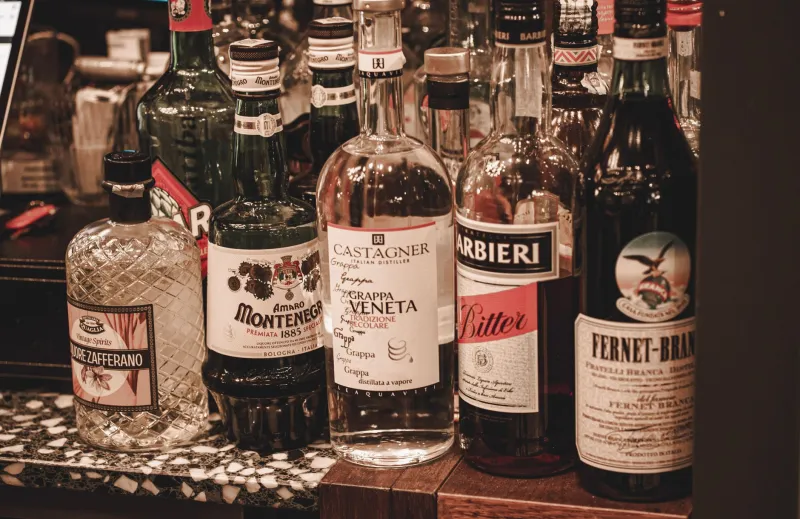
There's a particular kind of frustration that comes from making a cocktail that should work — and watching it fall flat anyway. You didn't cheap out on the spirit. The citrus was fresh. The liqueur was something a bartender at a nice place once recommended. And yet the drink in front of you tastes muddy, sharp in the wrong places, or just... off.
Here's the thing: individual quality doesn't guarantee collective harmony. Cocktail ingredients can fight each other in ways that have nothing to do with how good they are on their own. Understanding why that happens — and how to course-correct — is one of the more underrated skills in home bartending.
The Illusion of Compatibility
Most of us assume that if two ingredients taste good separately, they'll taste good together. That logic works some of the time, but it ignores how flavor compounds interact at a chemical level. Aromatic molecules compete for your attention. Some amplify each other. Others cancel each other out. A few create entirely new, unpleasant impressions that neither ingredient carries alone.
Think about what happens when you mix a heavily peated Scotch with a floral elderflower liqueur. Each is delicious in the right context. But the smokiness and the delicate floral notes aren't just different — they actively undermine each other. The smoke steamrolls the elderflower; the elderflower makes the smoke smell slightly medicinal. Neither ingredient gets to do its best work.
That's flavor clash in action.
Why Clashing Happens: The Short Version
Flavor perception is a sensory negotiation happening across taste, smell, and mouthfeel simultaneously. When you sip a cocktail, your brain is trying to process dozens of aromatic compounds, sugar levels, acidity, bitterness, and texture all at once. A few specific mechanisms cause ingredients to clash:
Aromatic competition. Bold, high-volatility aromatics — think funky agricole rum, heavily herbal spirits like green Chartreuse, or intensely smoky mezcal — tend to dominate. If you pair two dominant aromatics, they don't blend so much as argue. You end up with a drink that smells confused and tastes muddy.
Acid interference. High-acid ingredients (fresh citrus, shrubs, some vermouths) can amplify or suppress other flavor notes depending on what they're sitting next to. A very tart lime juice can make a delicate floral gin taste almost soapy. The acidity isn't the problem — the pairing is.
Bitterness stacking. Bitterness is one of the most useful tools in a cocktail, but it compounds fast. If you're working with a bitter amaro and also reaching for Campari and a grapefruit garnish, you may be layering bitterness past the point of complexity into the territory of flat-out harsh.
Sweetness miscalibration. When a modifier is sweeter than the base spirit can anchor, the drink loses definition. You end up tasting sugar rather than flavor. This is especially common when people reach for an overly sweet liqueur to "soften" a spirit that actually needed acid or dilution instead.
How to Diagnose a Clashing Cocktail
Before you can fix a drink, you need to figure out what's actually broken. Here's a simple diagnostic framework:
Taste each component separately first. Seriously — pour a small amount of each ingredient and taste them one by one. Note what's dominant. If you have two ingredients that both lead with the same aggressive note (say, two herbal elements or two smoky ones), you've likely found your problem.
Identify the loudest voice. In any cocktail, one ingredient is going to dominate. Is it the right one? Usually, the base spirit should set the tone and the modifiers should support it. If your modifier is louder than your base, the drink will feel lopsided.
Taste the drink in stages. Pay attention to the front palate (the first impression), the mid-palate (where most of the complexity lives), and the finish (what lingers). If the front tastes fine but the mid-palate goes wrong, you're probably dealing with an acid or sweetness issue. If the finish is harsh or unpleasant, bitterness stacking or a clashing aromatic is often the culprit.
Ask: is anything fighting the finish? Garnishes are sneaky. A charred rosemary sprig can make an already smoky drink taste acrid. A heavily perfumed citrus peel can clash with a spirit's more savory notes. The garnish isn't decoration — it's part of the flavor equation.
Practical Fixes for Common Clashes
Once you've diagnosed the problem, you have more options than you might think.
Dial back the dominant ingredient. If one component is steamrolling everything else, reduce it before swapping it out entirely. Sometimes a quarter-ounce less of an overassertive amaro is all it takes to let the other flavors breathe.
Bridge with a neutral modifier. If two bold ingredients are fighting, adding something neutral — a splash of plain simple syrup, a small measure of dry vermouth, or even a little water — can soften the edges and create space between the competing flavors.
Swap for a lower-intensity version. You don't always have to cut an ingredient; sometimes you can replace it with a quieter expression of the same flavor category. A lightly smoked mezcal instead of a heavily peated one. A blanc vermouth instead of a dry. A mild amaro instead of a bracingly bitter one.
Reconsider your acid source. If lime juice is making your gin taste soapy, try lemon. If both feel too sharp, a small amount of citric acid solution gives you acidity without the volatile aromatics that fresh juice brings. This is a genuinely useful trick for delicate, floral, or herbal-forward spirits.
Change the garnish, change the drink. Before you rebuild a recipe from scratch, try swapping the garnish and retasting. You might be surprised how much a different expressed peel or a fresh herb changes the perception of a drink that seemed fundamentally broken.
The Bigger Lesson
The best cocktail builders aren't the ones with the most interesting ingredients — they're the ones who understand how ingredients relate to each other. Flavor harmony isn't about matching similar things; it's about understanding which differences create contrast and which ones create conflict.
When a drink isn't working, resist the instinct to add something new. Nine times out of ten, the fix is about subtraction, substitution, or proportion — not addition. The ingredient already in your glass probably doesn't need company. It needs room.
The good news? Every clashing cocktail you diagnose teaches you something that no recipe can. You start to develop an instinct for what's going to fight before you even build the drink. And that's when home bartending gets genuinely fun.