That Bottle of Amaro Is Also a Cooking Ingredient (And Your Braises Know It)
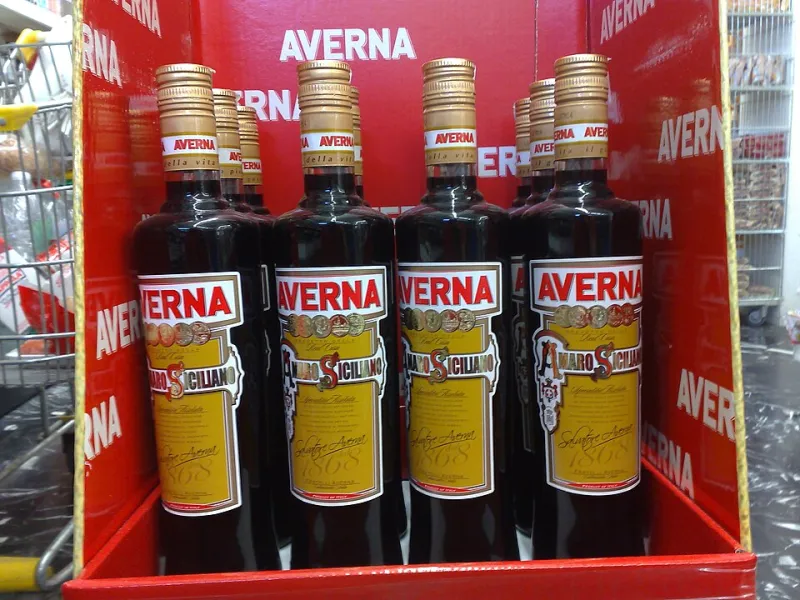
Photo: Dedda71, CC BY-SA 3.0, via Wikimedia Commons
Let's get one thing out of the way: if you keep amaro, vermouth, sherry, and bourbon in your home but only drink them, you're using a $300 spice rack as a nightstand.
Cooks have raided the bar for centuries — French cuisine runs on wine reductions, and half of Tuscany's braises exist because someone had cooking wine handy. But home bartenders have a leg up most cooks don't: they already think in terms of balance. Sweet against bitter. Acid against fat. Aroma against weight. That's cocktail design, and it's also, functionally, how you fix a bland pan sauce at 8 p.m.
Bitter Is a Flavor, Not a Problem
The bar's greatest gift to the kitchen is bitterness. Cooks reach for salt and fat to fix flat food, but bitterness adds the dimension that makes you take a second bite — the reason radicchio and dark chocolate and coffee all feel "serious."
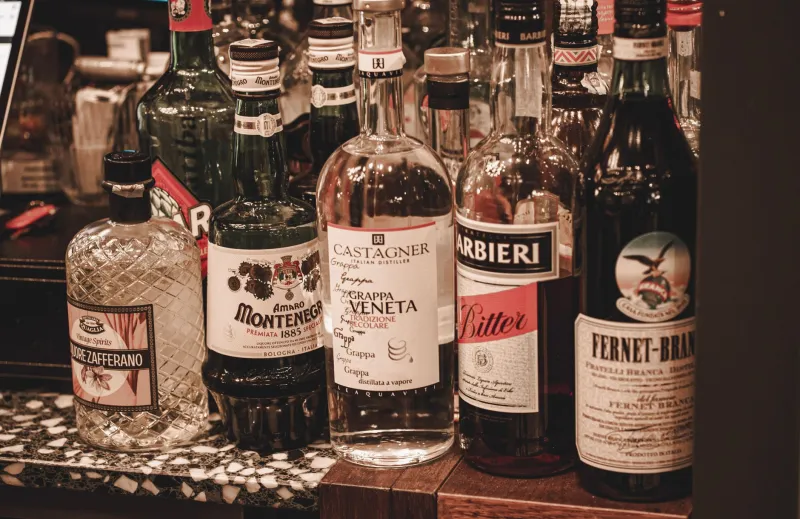
Amaro is concentrated, shelf-stable bitterness with sugar and aromatics built in. Add a quarter cup of something like Campari or Averna to a beef braise along with the stock and you get a deeper, darker sauce with a edge you can't quite name. Deglaze a pan of roasted mushrooms with it. Stir a teaspoon into tomato sauce that tastes one-dimensional. The bitterness rounds out sweetness the way it rounds out a Negroni.
Vermouth Is Fortified Wine With a Resume
Dry vermouth might be the most underemployed bottle in America. It's wine with extra alcohol and botanicals — meaning it won't spoil as fast and it brings herbs to the party for free.
The move: after searing chicken thighs, pour off excess fat, splash in a few tablespoons of dry vermouth, scrape up the brown bits, and reduce by half. Add butter, a squeeze of lemon, and you've made a restaurant pan sauce in four minutes. Sweet vermouth does the same trick for pork and hard cheeses — it's basically a French onion soup in liquid form.
One storage note: vermouth is still wine at heart. Keep it in the fridge once opened, and give it six weeks before it starts tasting like the fridge.
Deglazing Is Just Building a Cocktail Backwards
Think about what happens when you flambe or flame-rinse a pan with bourbon: the alcohol flashes off, the caramel and vanilla compounds stay behind, and everything stuck to the pan dissolves into the sauce. That's muddling and straining, upside down.
Bourbon is the workhorse here — it loves pork, pecans, squash, and anything with brown sugar. Rye is sharper and better with mushrooms and mustard. And sherry deserves its own paragraph:
Sherry Is the Finishing Move
A dry fino or amontillado is the most cook-friendly bottle on your bar. It's nutty, saline, and dry — essentially a squeeze of lemon and a sprinkle of sea salt in liquid form. A splash at the end of a soup, a spoonful in a vinaigrette, a drizzle over roasted cauliflower or a scoop of vanilla ice cream. Spanish cooks have been doing this forever; the rest of us are late.
The Transferable Skill
Here's the actual argument: bartenders taste in ratios. Two parts strong, one part sour, one part sweet. Cooks who taste in ratios stop following recipes and start fixing dinners. If you can taste a daiquiri and know it needs a quarter-ounce more lime, you can taste a braise and know it needs acid — whether that's vinegar, verjus, or a glug of that vermouth you've been neglecting.
So tonight, open the pantry. The bar-shaped one. That bottle you bought for one cocktail three years ago? It might be the best thing in your kitchen.