Shaken or Stirred? The Real Science Behind How You Mix Your Drink

Everybody's heard the James Bond line. But outside of a movie theater, the shaken-versus-stirred debate is less about personal flair and more about what's actually happening inside your mixing glass. The technique you choose changes the temperature of your drink, how much water ends up in it, and whether it arrives silky smooth or bright and frothy. That's not a small thing. That's basically the whole drink.
So let's break it down — not in a stuffy bartending school way, but in a way that actually helps you make better cocktails at home tonight.
What's Actually Happening When You Shake
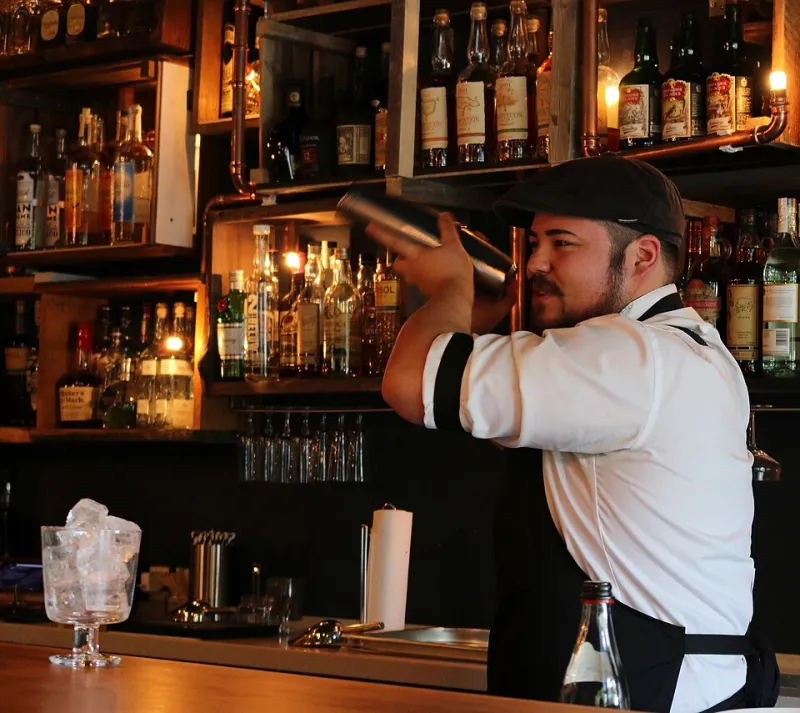
When you load up a shaker with ice, spirits, and mixers and start going to town, you're doing a lot more than chilling the liquid. You're violently tumbling ice against the walls of the tin, which chips and fractures it. That fractured ice melts faster, meaning dilution happens quickly — usually within 10 to 15 seconds of hard shaking. You're also trapping tiny air bubbles in the liquid, which is what gives shaken cocktails that slightly frothy, almost effervescent texture on the surface.
That aeration matters. It lightens the mouthfeel, lifts citrus notes, and creates a kind of brightness that's hard to replicate any other way. It also means your drink will look a little cloudy or hazy right after it's poured — that's not a flaw, it's a feature.
Shaking also drops the temperature of your cocktail faster and more dramatically than stirring. You can hit near-freezing temps in under 15 seconds of aggressive shaking, which is exactly what you want when you're working with citrus juice, egg whites, cream, or any ingredient that benefits from cold shock and emulsification.
What's Actually Happening When You Stir
Stirring is a gentler, more controlled process — and that control is the whole point. When you stir a cocktail in a mixing glass with ice, you're chilling the liquid slowly and steadily, allowing dilution to happen in a more measured way. There's no aeration happening, no trapped air bubbles, no frothy surface. What you get instead is a drink that's crystal clear, silky in texture, and precisely diluted.
The best stirred cocktails — a Manhattan, a Negroni, a classic Martini — are all about integration. The spirits meld together. The vermouth or liqueur doesn't announce itself separately; it becomes part of a unified whole. That takes time and gentle movement, not aggression.
A well-stirred drink should take around 30 to 45 seconds of consistent circular motion to reach the right temperature and dilution. Most home bartenders under-stir, which leaves the drink too cold on the surface but not fully chilled through, and the flavors feel disconnected rather than married.
The Dilution Factor People Always Underestimate
Here's something most recipes don't talk about enough: both methods add water to your drink, and that water is doing something important. It opens up the aromatics in spirits, softens alcohol burn, and rounds out flavor. The question isn't whether you want dilution — you do — it's how much and how fast.
Shaking delivers dilution quickly and somewhat unpredictably, depending on your ice quality, shaking intensity, and duration. Stirring is slower but more consistent. For spirit-forward drinks where balance is everything, that consistency is why stirring wins. You have more control over where the drink lands.
If you're ever unsure how much your drink has diluted, taste it as you stir. You'll notice a point where the harshness softens and the flavors start to harmonize. That's your sweet spot.
When to Shake: The Clear-Cut Cases
Shake your cocktail when the recipe includes any of the following:
- Citrus juice — Lemon, lime, grapefruit. The aeration complements the acidity and the quick chill is ideal.
- Egg whites or aquafaba — You need the agitation to emulsify and build that signature foam.
- Cream or dairy — Same logic. You want those fats incorporated, not floating.
- Fruit purees or syrups with heavier viscosity — Shaking helps distribute them evenly throughout the drink.
- Anything served over crushed ice or blended — The whole vibe calls for it.
Classic shaken cocktails: the Daiquiri, the Margarita, the Whiskey Sour, the Cosmopolitan, the Espresso Martini. These drinks are built around ingredients that love a good shake.
When to Stir: The Spirit-Forward Rule
Stir your cocktail when it's made entirely — or almost entirely — of spirits and liqueurs. The general rule of thumb is this: if there's nothing cloudy or opaque going into the glass, stir it.
The reason is texture. Spirit-forward drinks are meant to be dense, silky, and contemplative. Shaking would aerate them into something lighter and cloudier, which changes the mouthfeel in a way that most drinkers find off-putting for these styles. A shaken Negroni, for example, feels thinner and less luxurious than a properly stirred one — even if the flavor profile is technically similar.
Classic stirred cocktails: the Manhattan, the Old Fashioned, the Negroni, the Martini, the Rob Roy, the Vieux Carré. Notice that all of these are drinks where you're paying for the quality of the spirit. Stirring respects that.
The "Bruising" Myth, Debunked
You've probably heard someone say that shaking "bruises" gin or vodka. This is one of the most persistent myths in cocktail culture, and it's simply not true. Spirits don't bruise. They don't have cellular structures that break down under agitation. What shaking does do is aerate and dilute more aggressively — and some people find that the resulting texture or temperature change doesn't suit their preference for certain drinks. But that's a style preference, not a chemical reality. Feel free to shake whatever you want without guilt.
A Quick Technique Tip for Both Methods
For shaking: use a Boston shaker (two-piece metal tins) if you can. It chills faster and seals better than the three-piece cobbler shakers most starter kits come with. Shake hard, shake fast, and don't be shy about it — you want to hear the ice moving aggressively.
For stirring: use a bar spoon and keep it pressed against the inside of the mixing glass as you rotate. The goal is to move the ice in a smooth circular path, not stab at it. Add your ice before your spirits so the glass pre-chills slightly, and taste as you go.
The Bottom Line
The shake-or-stir decision isn't arbitrary, and it's not just about style. It's a functional choice that shapes temperature, dilution, aeration, and texture — all the things that determine whether your cocktail tastes like it was made with intention or just thrown together. Once you understand the why behind each method, you stop second-guessing the recipe and start trusting your technique. And that's when home bartending gets genuinely fun.