Stop Overpaying: The Truth About Cheap Liquor in Craft Cocktails
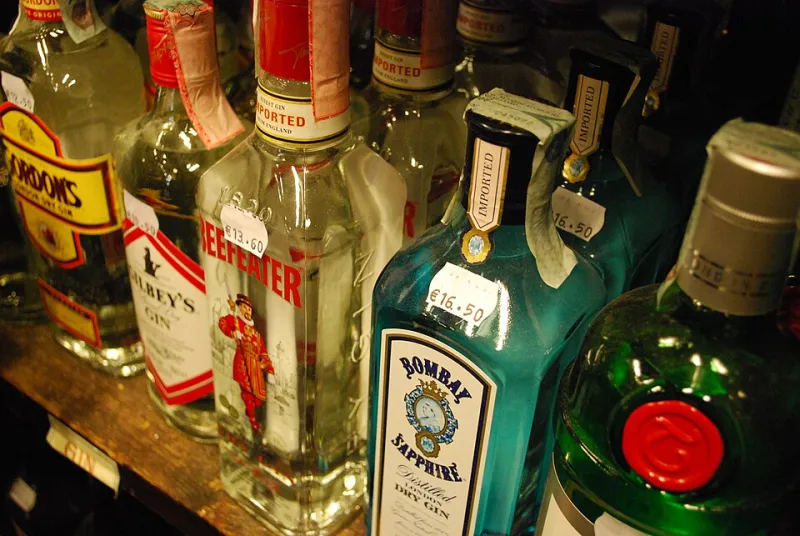
Photo: Jon Worth, CC BY 2.0, via Wikimedia Commons
There's a moment every home bartender knows well. You're standing in the liquor aisle, hand hovering between a $25 bottle and a $55 bottle sitting right next to it. The premium one has heavier glass, a wax seal, maybe a handwritten batch number. It looks like it makes better cocktails. So you grab it, feeling like you've invested in your craft.
But here's the thing: you might have just paid $30 for a label.
The idea that expensive spirits automatically produce superior cocktails is one of the most persistent myths in home bartending — and it's one that professional mixologists quietly roll their eyes at. The truth is more nuanced, more interesting, and ultimately a lot better for your wallet.
What You're Actually Paying For
Spirit pricing is a complicated stew of factors, and flavor is only one ingredient in the pot. Marketing budgets, celebrity endorsements, packaging design, brand heritage, and distribution costs all get baked into that retail price before the bottle ever hits the shelf.
Distilleries spend enormous sums on lifestyle branding. When a whiskey brand sponsors a Formula 1 team or a tequila label gets co-signed by an A-list actor, those costs don't disappear — they get passed along to you. You're not just buying the liquid; you're buying into a story.
That's not always a bad thing. Some premium spirits genuinely earn their price tags through longer aging, rare ingredients, or small-batch production that limits yield. But plenty don't. And in a cocktail — especially one loaded with citrus, sweeteners, bitters, and modifiers — the differences between a $30 bottle and a $70 bottle can become nearly impossible to detect.
The Blind Taste Test Evidence
This isn't just conjecture. Blind tasting studies have repeatedly humbled even experienced drinkers. In controlled settings where labels are hidden, tasters consistently struggle to rank spirits by price — and often prefer the cheaper options.
One of the most famous examples involves vodka, where the spirit's entire identity is built around absence of flavor. Multiple independent blind panels have ranked mid-shelf vodkas like Sobieski and Luksusowa above bottles costing three times as much. In a vodka soda or a Moscow Mule, the mixer does a lot of the heavy lifting anyway.
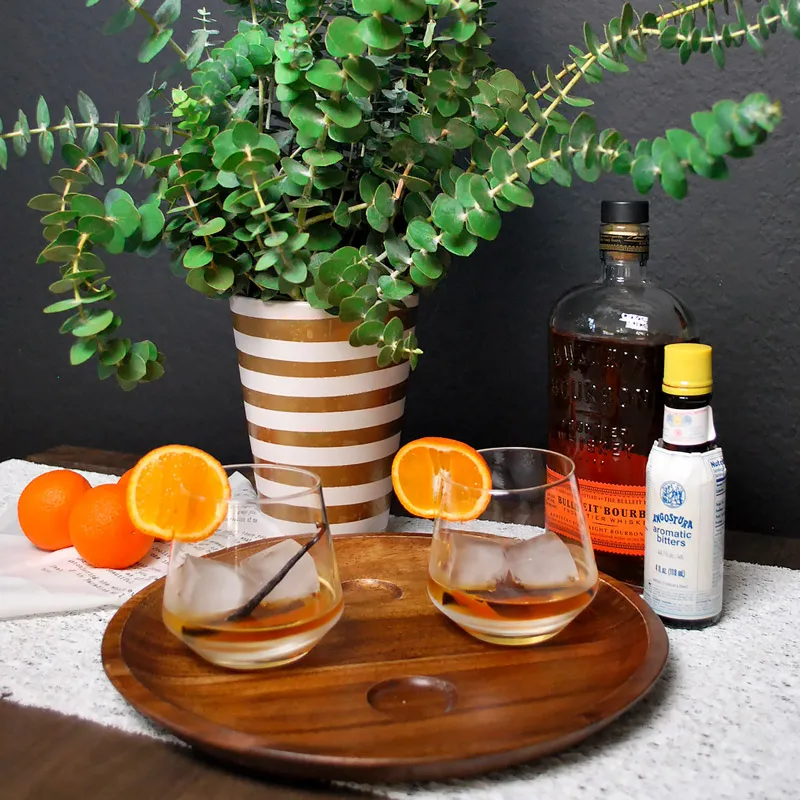
Whiskey is a little different — age and grain character do matter more in a neat pour. But in a cocktail like an Old Fashioned or a Whiskey Sour? The bold flavors of demerara syrup, Angostura bitters, and fresh lemon juice mean you're working with a canvas that doesn't demand a $90 single malt. A solid $30 bourbon like Evan Williams or Buffalo Trace will hold its own beautifully.
When Premium Actually Matters
Here's where we get balanced: there are situations where spending more makes sense, and a good home bartender knows the difference.
Sipping spirits served neat or on the rocks — this is where quality shines. If you're pouring a Scotch without a mixer, or savoring a high-proof rum over a single large ice cube, the nuance of a better bottle becomes the whole point. The complexity you're paying for is front and center.
Spirits that anchor low-ingredient cocktails — a Martini has three ingredients, maybe four. A Daiquiri is rum, lime, and sugar. In drinks this stripped-down, the spirit's character carries more weight. This is where stepping up a tier or two can genuinely improve the outcome.
Category-defining expressions — some bottles really do set the standard for what a spirit can taste like. A bottle of Plantation 3 Stars rum or Olmeca Altos tequila gives you a benchmark that helps you understand the category better, even if you're not spending top dollar.
Hidden Gems Worth Every Penny
So where should you actually spend your money? Here are a few bottles that consistently punch above their weight in cocktails:
- Rittenhouse Rye ($26–$30): A bartender's staple for a reason. It's 100 proof, spicy, and holds up beautifully in a Manhattan or a Paper Plane.
- Espolòn Blanco Tequila ($25–$28): Bright, clean, and genuinely versatile. Margaritas, Palomas, and spicy cocktails all benefit from its agave-forward profile.
- Broker's London Dry Gin ($18–$22): Don't let the goofy bowler hat fool you. This is a well-balanced, juniper-driven gin that works in everything from a G&T to a Negroni.
- Plantation 3 Stars White Rum ($20–$24): A blend of Barbadian, Jamaican, and Trinidadian rums that brings genuine complexity to Daiquiris and Ti' Punch.
- El Dorado 3 Year Rum ($18–$22): Affordable, slightly funky, and incredible in tiki-style drinks.
A Smarter Framework for Shopping
Rather than using price as a proxy for quality, try this approach instead:
Know your cocktail's architecture. Is the spirit the star, or is it part of an ensemble? A boozy, spirit-forward drink like a Sazerac deserves a better bottle. A fruity, high-volume party punch does not.
Read reviews from working bartenders, not lifestyle magazines. Cocktail Kingdom, The Educated Barfly on YouTube, and communities like r/cocktails are full of working knowledge from people who actually mix these bottles every day.
Buy one tier up from what you're comfortable with, not two. You'll often find the best value-to-quality ratio in the $25–$40 range for most categories. Above that, you're frequently paying for diminishing returns.
Taste before you commit. Many states now allow spirits tastings at bottle shops. Take advantage of that before dropping $65 on something you've never tried.
The Real Upgrade Isn't the Bottle
Here's the honest truth that every seasoned bartender will tell you: the biggest improvements to your home cocktails almost never come from buying a more expensive spirit. They come from using fresh-squeezed citrus instead of bottled juice. They come from making your own simple syrup instead of using the grocery store stuff. They come from learning proper dilution, understanding balance, and keeping your tools clean.
A $28 bottle of rye whiskey, a perfectly expressed lemon, and a properly made rich demerara syrup will make a better Whiskey Sour than a $90 bottle paired with artificial sour mix. Every single time.
The good mixer — the one who actually knows what they're doing — spends their money where it counts and their energy on the craft. The rest is just packaging.