Does Your Glass Actually Matter? The Surprisingly Real Science of Cocktail Vessels
Photo: Stany Dederen for MoMu, CC BY-SA 4.0, via Wikimedia Commons
Let's be honest: most home bartenders spend a lot of time obsessing over spirits, syrups, and technique — and then pour everything into a mismatched collection of glasses they've accumulated over the years. A rocks glass from a hotel gift shop, a few coupes from a housewarming gift, maybe a couple of pint glasses that technically work in a pinch.
It's an easy thing to overlook. But here's the thing — glassware isn't just about aesthetics. The shape of a glass changes how a drink smells. The thickness of the rim changes how it tastes. The material affects temperature in ways that actually show up on your palate. This isn't marketing copy from a crystal brand. It's basic physics and sensory science, and understanding it makes you a better host and a more thoughtful drinker.
The Aroma Factor: Shape Is Everything
Your sense of smell does more work in flavor perception than most people realize. Researchers estimate that somewhere between 70 and 80 percent of what we experience as "taste" is actually smell — which means the way a glass delivers aroma to your nose matters enormously.
This is why the coupe and the Nick & Nora glass, both wide-rimmed and shallow, work so well for spirit-forward stirred cocktails. The broad opening allows volatile aromatic compounds to disperse freely, giving you a wide aromatic hit before the liquid even touches your lips. That initial nose — the floral notes in a gin martini, the vanilla and oak in a stirred bourbon cocktail — sets the entire tasting experience.
Contrast that with a tulip-shaped glass, like a snifter or a stemmed whiskey glass. The inward curve at the top concentrates aromatics and funnels them toward your nose as you sip. This is why these shapes are so popular for aged spirits and complex liqueurs — they essentially amplify the nose.
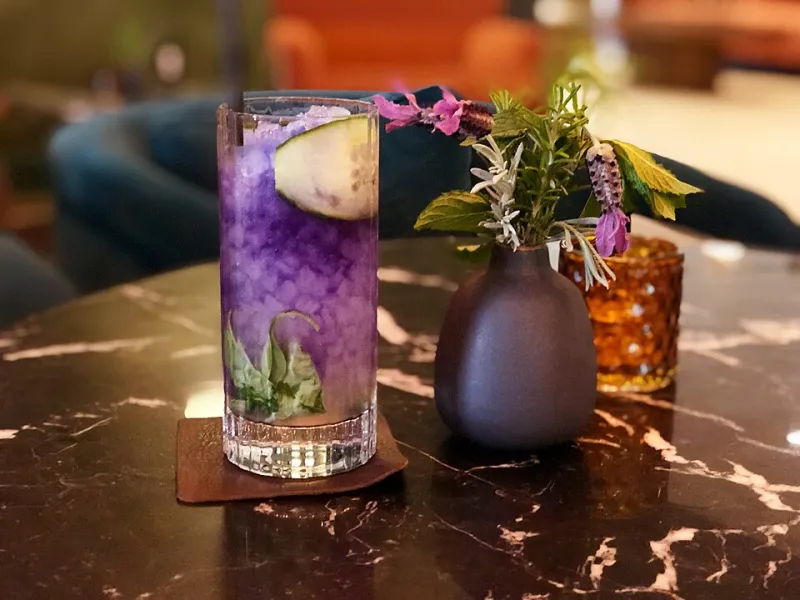
A highball glass, on the other hand, is tall and straight-sided. It's not trying to concentrate aromatics. It's designed for drinks where the experience is about refreshment, effervescence, and cold temperature — a Tom Collins, a Paloma, a classic Highball. The carbonation does the aromatic work here, and the glass just needs to stay cold and hold a lot of ice.
The Rim and the Lip: A Detail That Punches Above Its Weight
Here's something most people never think about: the thickness of a glass rim changes how a cocktail tastes. This sounds like the kind of claim a luxury crystal company would invent, but there's real sensory science behind it.
A thin rim — the kind you find on fine crystal or good-quality stemware — allows the liquid to flow cleanly onto your palate without interruption. A thick rim, like you'd find on a cheap bar glass or a mason jar, creates a slight lip that changes the angle and flow of the liquid, directing it differently across your tongue.
Your tongue's taste receptors aren't evenly distributed. Sweetness registers more strongly at the tip, while bitterness hits harder at the back. A thin-rimmed glass that deposits liquid broadly across the front of your palate will read differently than a thick-rimmed glass that drops the liquid toward the center or back. It's subtle, but in a well-balanced cocktail where you've carefully dialed in the sweet-to-bitter ratio, it's not nothing.
Temperature Retention: Where Material Matters
Glass thickness also plays a role in how long your drink stays cold — and this is where material choices get interesting.
Thicker glass actually insulates better in the short term, meaning a heavy rocks glass will hold cold longer than a thin one. Crystal, which is denser and heavier than standard glass, also retains cold well. However, thick glass also absorbs more ambient heat from your hand, which can work against you in a stemless glass you're gripping directly.
This is one of the underrated arguments for stemmed glassware: your hand never touches the bowl. A coupe or a stemmed cocktail glass stays at its chilled temperature for several minutes longer than a stemless alternative simply because body heat isn't transferring into the drink. For a short, spirit-forward cocktail served up (without ice), that temperature window matters.
For rocks-style drinks served over ice, this is less of a concern — the ice does the temperature work. But for anything served up, chilling your glass before pouring is not optional. Fill it with ice water while you build the drink, dump it right before you strain, and you buy yourself real time before the cocktail starts warming.
Debunking the "You Need Everything" Myth
Walk into any kitchen or bar supply store and you'll find an intimidating wall of specialized glassware — martini glasses, margarita glasses, hurricane glasses, pilsner glasses, cordial glasses, julep cups. The implication is that you need all of them to do things properly.
You don't. Not even close.
A surprisingly small collection covers the vast majority of cocktails you'll actually make at home. Here's a realistic essential list:
Rocks glasses (also called lowball or Old Fashioned glasses): The workhorse of the home bar. Good for spirit-forward drinks on the rocks, short builds, and anything you're not serving up. Aim for a heavy-bottomed style with a wide mouth. Get at least four.
Highball or Collins glasses: Tall, straight-sided, essential for any long drink with a mixer or soda. These double as water glasses, which makes them easy to justify. Four is a good starting number.
Coupe glasses: The most versatile stemmed option in a home bar. They work for martinis, Manhattans, daiquiris, sidecars, and most anything served up. They're also more stable than the classic V-shaped martini glass, which tips over constantly. Start with four.
That's twelve glasses total. If you have those three styles in reasonable quality, you can make almost anything in any cocktail book confidently.
Building Your Collection Without Overspending
You absolutely do not need to buy crystal to have good glassware. Some of the best-performing everyday options are from mid-range brands widely available at stores like Crate & Barrel, Target, or World Market — and they'll run you anywhere from $3 to $15 per glass.
For rocks glasses, look for something with some weight to it and a thick base. For coupes, thin-rimmed options in the $8–12 range perform surprisingly close to crystal at a fraction of the cost. The Libbey Signature series and Riedel's more affordable lines are solid starting points.
Thrift stores and estate sales are genuinely excellent sources for coupes and vintage cocktail glasses — mid-century barware is plentiful, usually priced under $5 a piece, and often genuinely well-made. The only thing to check is rim chips, which are both unpleasant to drink from and a sign of structural weakness.
If you're going to splurge on one category, make it your rocks glasses. You'll use them the most, they sit on the table where guests see them, and a heavier, well-made rocks glass just feels right in a way that's hard to overstate.
The Bottom Line
Glassware isn't about snobbery. It's about giving your cocktails the conditions they need to be experienced the way you built them — at the right temperature, with the right aromatics, delivered cleanly to your palate. The good news is that achieving that doesn't require a big investment or a cabinet full of specialty pieces.
Know why the shapes work. Chill your stemmed glasses. Invest modestly in a small, versatile collection. The drinks you're already making will taste noticeably better — and your guests will notice too.