Read the Menu Before You Order: A Field Guide to Spotting a Well-Built Cocktail
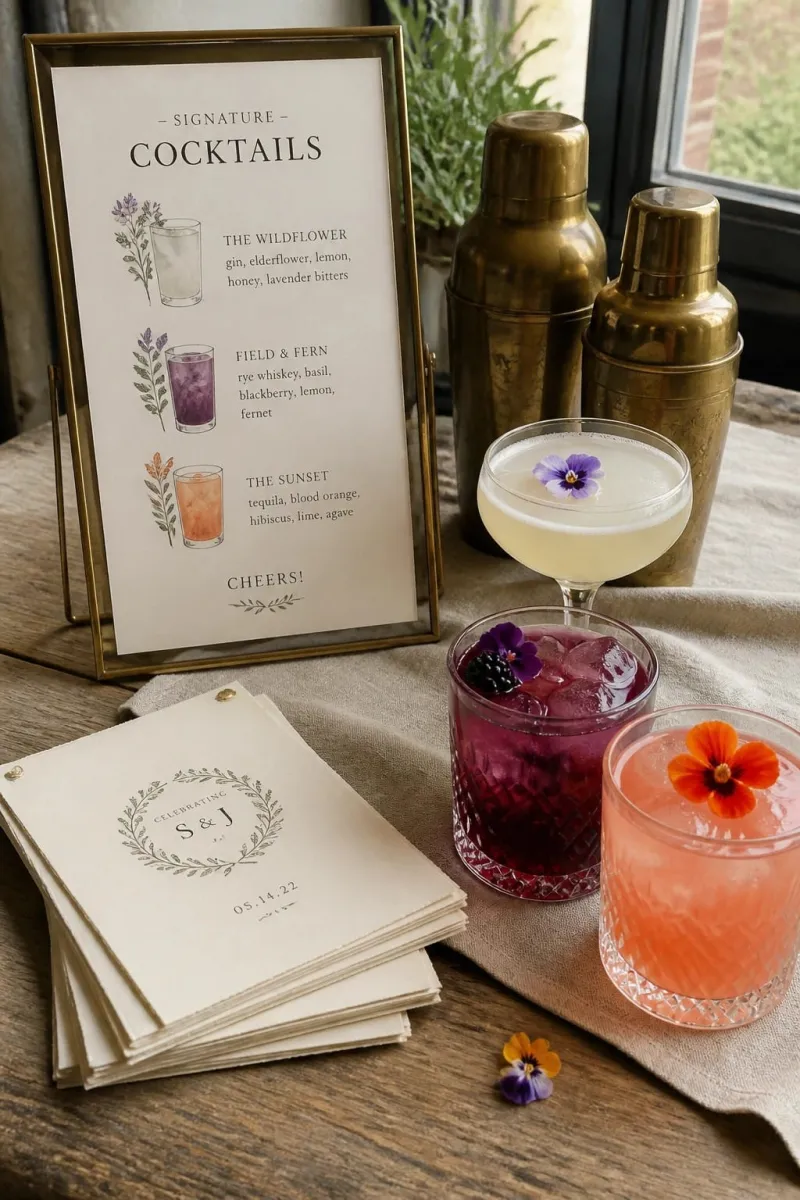
Photo: elegant cocktail menu on bar with craft cocktail in foreground, via datesparkle.com
You've got three minutes before the server circles back, the menu is a wall of evocative names, and you have no idea whether the "Smoked Ember Revival" is worth $22 or is vodka with a bonfire attached. Good news: cocktail menus leak information everywhere if you know what to look for. Here's how to decode one like you do this for a living.
Count the Ingredients (Yes, Really)
A well-built drink usually has three to six components. That's not an aesthetic preference — it's flavor physics. A short list means the bartender had to make every element earn its spot, and each one is doing real work. A list with nine ingredients — three juices, two syrups, a liqueur, a tincture, a mist, a prayer — usually means nobody figured out what the drink is actually about.
If you see a base spirit, one balancing agent, one accent, and a garnish? That's someone who knows what they're doing.
Look for the Words That Cost Money to Say
Certain phrases on a menu signal a bar that's investing in its drinks rather than its markup:
- "House syrup" / "house orgeat" / "house cordial" — someone is making ingredients in-house. This is the single best sign on any menu.
- Fresh-squeezed citrus, with a variety named — "fresh lemon juice" is table stakes; "Meyer lemon" means they care.
- Named vermouths, amari, or aperitifs — a bar that lists "Cocchi Americano" instead of "sweet vermouth" is a bar that measured the pour.
- Ice callouts — "crushed," "clear block," "hand-cut." Ice is half the drink; menus that mention it are menus that thought about it.
Red flag phrases, meanwhile: "premium liquors" (which ones?), anything describing smoke or dry ice or liquid nitrogen before describing flavor, and the word "infused" doing vague, unpaid labor.
The $16 House Riff vs. the $22 Signature
Here's the industry's worst-kept secret: the signature cocktail with the dramatic name is often the marketing play, while the house riff on a classic is the bartender's actual pride. A "House Negroni" or "Rye Old Fashioned, our way" means someone took a drink with proven structure and improved it with better ingredients or a clever substitution. That's low-risk, high-reward ordering.
The $22 signature, by contrast, has to justify its price with novelty — which is why it arrives with a smoking cloche and a dehydrated orange wheel and, frequently, an unbalanced drink underneath. Novelty isn't bad! But judge it by its ingredients, not its theatrics.
Read the Non-Cocktail Section Too
Want a fast read on a bar's standards? Check whether the beer list has anything thoughtful and whether the wine list acknowledges anything by the glass beyond the usual suspects. A bar that cares about drinking generally cares about cocktails specifically. A bar with a stunning cocktail page and a beer list from a gas station is a bar with a consultant and a fax machine.
The Polite Questions That Get You a Better Pour
You don't need to interrogate anyone. Two questions work wonders:
- "What's the bartender most excited about right now?" This routes you around the menu entirely and straight to whoever's best drink is, which is sometimes an off-menu special.
- "I like [drink you know you love] — is there anything on here in that direction?" This gives the bartender permission to steer, and good bartenders love steering. You'll often get a custom variation that never appears on the printed page.
Both questions signal that you're paying attention, which — fair or not — tends to get your drink made with a little extra care.
The One-Minute Checklist
Before the server returns, run this: short ingredient list? House-made anything? Fresh citrus named? Ice mentioned? A riff on a classic in the mid-price range? Four out of five means order with confidence. Zero out of five means order the beer — or find a better bar, because life is short and livers are finite.
The best part? Once you learn to read menus this way, you can't unsee it. Your $30 stops being a gamble and becomes a decision — which is exactly how the person behind the bar would spend it.