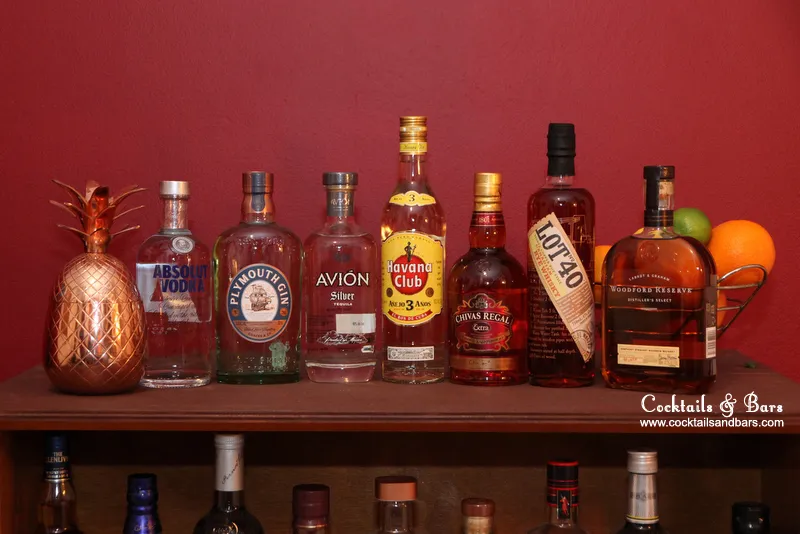
Where Your Bottle Comes From Changes Everything in the Glass
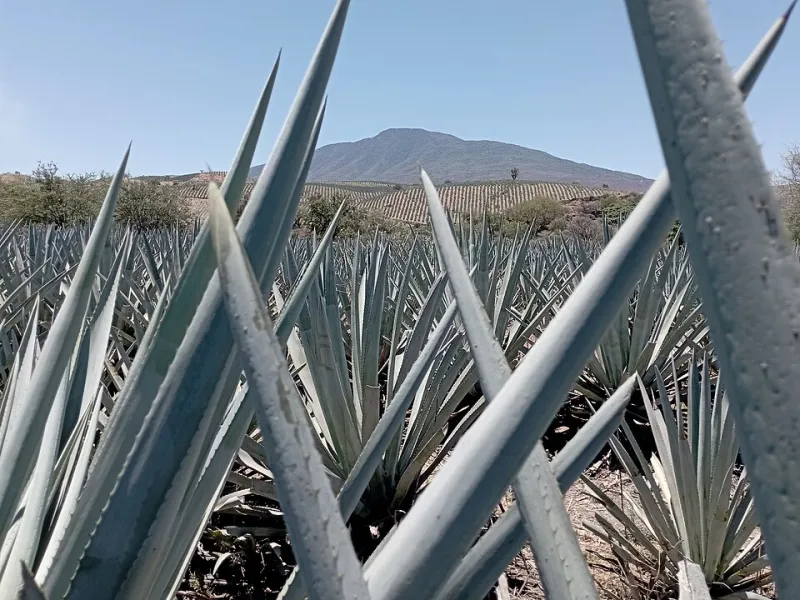
Photo: Juan Carlos Fonseca Mata, CC BY-SA 4.0, via Wikimedia Commons
Somewhere in the highlands of Scotland, rainwater is filtering through ancient peat and granite before it ever touches a grain of barley. In the red clay hills of Jalisco, a blue agave plant has been growing for eight to twelve years, pulling minerals from soil that exists nowhere else on earth. In the Charente region of France, chalky limestone is feeding the vines that will eventually become Cognac.
None of this is marketing. It's chemistry. And it ends up in your glass.
Terroir — the French term for the total environmental conditions that shape an agricultural product — is a concept wine people have leaned on for centuries. But spirits have their own version of it, and for home bartenders who want to mix smarter, understanding it is genuinely useful. Not in a pretentious way. In a this drink tastes better now way.
What Terroir Actually Means for Spirits
For wine, terroir is relatively straightforward: soil composition, climate, elevation, and farming practices all influence the grape, which directly becomes the wine. Spirits are more complicated because distillation strips a lot of character away — and then aging, blending, and production decisions add it back in different forms.
So terroir in spirits operates on a few levels. There's the raw ingredient level (the agave, the grain, the grape), the water source level (which matters enormously in whisky production), the climate during aging level (a barrel in Kentucky's brutal heat-cold swings extracts wood character differently than one sitting in a cool Scottish warehouse), and the production tradition level (which is itself shaped by geography over generations).
Not every spirit category expresses terroir equally. And knowing which ones do — and how — is where things get practical.
Tequila and Mezcal: Terroir You Can Actually Taste
If you want to start somewhere obvious, start here. Agave spirits are probably the most terroir-transparent category a home bartender can work with.
Blue Weber agave grown in the Tequila valley — lower elevation, richer volcanic soil — tends to produce a sweeter, earthier spirit. Agave from the highlands (Los Altos) grows more slowly, develops higher sugar content, and often yields a tequila that's fruitier, more floral, and sometimes a little brighter in citrus notes. These aren't subtle differences. Side by side, a valley blanco and a highland blanco from quality producers taste like they came from different planets.
Mezcal goes even further. Different agave species — and there are dozens used in production — grown in different Oaxacan microclimates produce radically different base spirits. Smoke from roasting the piñas adds another layer, but the underlying agave character is pure terroir.
For cocktail building, this matters. A highland tequila in a Tommy's Margarita (agave nectar, lime, tequila — no triple sec) will read differently than a valley expression. The fruitier highland character plays well with citrus. A valley tequila's earthiness works beautifully in a Paloma with grapefruit, where you want a little more grounding weight.
Scotch Whisky: Water, Peat, and the Long Game
Scotland's whisky regions are legitimately different from each other, and those differences land in the glass in ways that affect how Scotch behaves in a cocktail.
Islay whiskies — Laphroaig, Ardbeg, Lagavulin — carry the heavy peat smoke of their island's water and malting traditions. They're polarizing in cocktails because that smoke dominates. A Penicillin (Scotch, lemon, honey-ginger syrup, Islay float) works precisely because it leans into the smoke as a feature, not a bug. But try to use a heavily peated Islay in a Rob Roy and you might find it overwhelms the vermouth entirely.
Speyside whiskies — the Glenfiddichs and Macallans of the world — are shaped by a gentler climate, spring water sources, and a tradition of smaller, more refined stills. They tend toward fruit, honey, and vanilla. These are more cocktail-flexible, working well in stirred builds where you want the whisky to be the foundation without any single note dominating.
The water source is genuinely non-trivial. Scottish distilleries guard their water sources because mineral content affects fermentation and, ultimately, flavor. Hard water high in calcium and magnesium affects yeast activity differently than soft water running through granite. You can't replicate this in your home bar, but you can taste for it.
Cognac: Chalk, Grapes, and a Different Kind of Complexity
Cognac's terroir story runs through its sub-regions — Grande Champagne, Petite Champagne, Borderies, and others — each defined by soil composition. The chalky limestone soils of Grande Champagne produce eaux-de-vie (the base distillate) with a particular elegance and aging potential. Borderies soil tends to give rounder, nuttier character.
For cocktail purposes, Cognac is underused in the US, which is a real missed opportunity. A Sidecar made with a VS Cognac from a Borderies-dominant blend is a different drink than one made with a Grande Champagne-heavy expression — the former rounder and almost walnut-like, the latter brighter and more floral. Both work. But knowing which you're working with helps you decide whether to lean into a richer sweetener or let the citrus cut through more aggressively.
When Geography Actually Matters at Home
Here's the honest take: for casual mixing, you don't need to memorize regional sub-classifications. But there are a few situations where paying attention to origin genuinely improves what you're making.
When you're building a spirit-forward cocktail. The fewer ingredients, the more the base spirit's character comes through. A Oaxacan Old Fashioned (mezcal and reposado tequila split) is entirely about the agave character. Origin matters here.
When you're pairing spirits with regional ingredients. A Cognac cocktail with French honey and lemon is expressing a kind of coherent geographic logic that tastes intentional. A mezcal drink with Oaxacan chili salt and fresh lime is doing the same thing. These pairings work because the flavors share a common environmental vocabulary.
When something isn't working and you can't figure out why. Sometimes a spirit is fighting your other ingredients because its terroir-driven character — a mineral sharpness, a heavy smoke, an unusual earthiness — isn't playing well with what you've chosen. Swapping to a different regional expression of the same spirit category can solve the problem without changing the recipe.
You don't need to become a geography professor to mix better cocktails. But the next time you crack open a bottle, take a second to think about where it came from. The answer is already in the glass.