Cold, Colder, Perfect: The Ice and Temperature Science Behind Every Great Cocktail
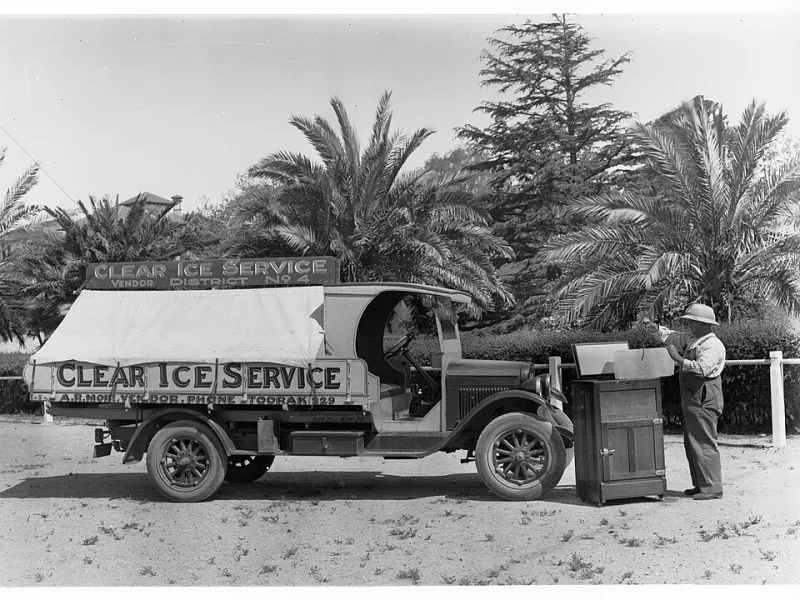
Photo: South Australian government photographer, CC0, via Wikimedia Commons
Here's a scenario that probably sounds familiar. You nail the recipe. You use the good stuff. You shake it like you mean it. And somehow, the drink still tastes flat, watery, or just slightly off by the time you take your second sip. Nine times out of ten, temperature is the culprit — and not in the way you'd expect.
Professional bartenders talk about temperature management the way chefs talk about heat control. It's not glamorous, it doesn't show up on Instagram, but it's the invisible foundation that separates a good cocktail from a great one. Let's break down exactly what's happening inside your glass — and how to fix it.
Why Temperature Matters More Than You Think
Cocktails aren't just about flavor. They're about experience — and temperature is a massive part of that. Cold suppresses bitterness, enhances sweetness, and keeps carbonation alive in fizzy drinks. Serve a Negroni even five degrees too warm and it tastes boozy and harsh. Serve a Daiquiri at the right temp and the balance between tart and sweet feels almost effortless.
The sweet spot varies by cocktail style. Stirred spirit-forward drinks like Manhattans and Martinis should land around 18–22°F when they hit your glass. Shaken sour-style cocktails — think Whiskey Sours and Margaritas — are best served closer to 25–28°F. Highballs and fizzy drinks want to be colder still, ideally under 40°F, because carbonation holds better at lower temperatures. These aren't arbitrary numbers. They reflect how the flavor compounds in each style of drink behave at different temperatures.
The Ice Problem Nobody Talks About
If you're using the ice from your refrigerator's built-in maker, you're already working against yourself. Standard freezer ice is typically made fast, which traps air bubbles inside and creates a cloudy, porous cube that melts much faster than it should. More melt means more dilution — and dilution is a double-edged sword.
Some dilution is good. A properly stirred Martini needs a certain amount of water to open up the gin's aromatics and soften the alcohol's edge. But too much dilution too fast wrecks the balance you worked to achieve. The goal is controlled dilution, not runaway melt.
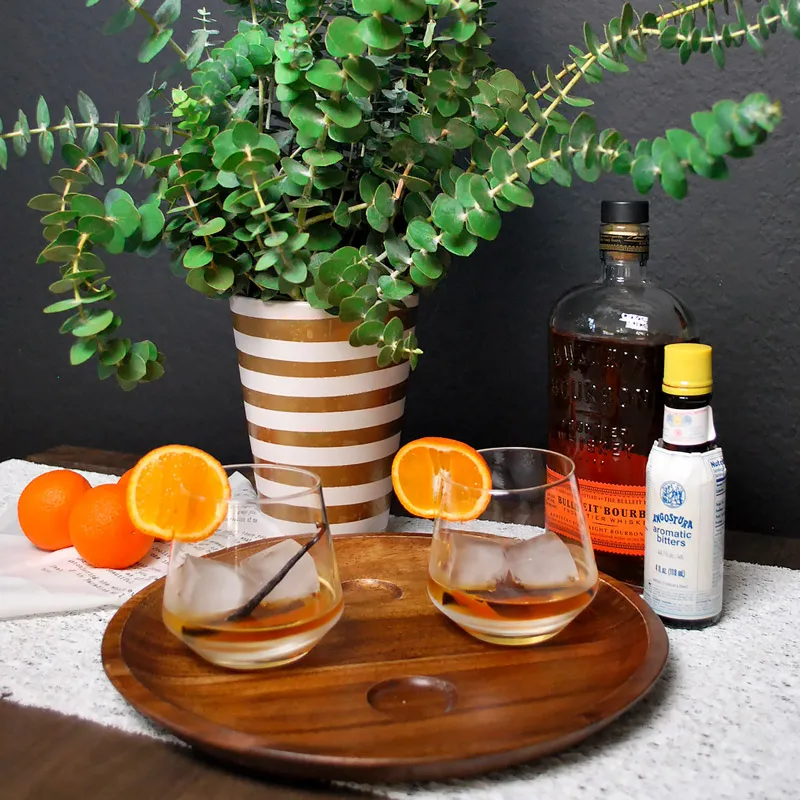
Large format cubes (the 2-inch squares you see at craft bars) melt slowly because they have less surface area relative to their volume. They're ideal for Old Fashioneds, Negronis, and any spirit-forward drink served on the rocks where you want cold without rapid dilution. You can buy silicone molds for around $10–15 and make your own at home — a genuinely worthwhile investment.
Standard cubed ice is your workhorse for shaking and stirring. It chills fast and provides just enough dilution during the mixing process. Use it fresh — ice that's been sitting in the freezer for weeks picks up freezer odors that you'll taste in your drink.
Crushed ice melts fast by design. It's the right call for Mint Juleps, Tiki drinks, and Swizzles where rapid dilution and extreme cold are part of the whole point. Using crushed ice in a Martini, though? You'll end up with a watery mess before you've finished the first half.
Clear ice is the premium option you'll see at high-end bars. Made by directional freezing (essentially freezing from one direction so impurities and air bubbles push out), it's denser, melts slower, and looks stunning in a rocks glass. Home clear ice makers have come down in price significantly — quality countertop models now run $150–250 — but you can also get surprisingly good results with a small insulated cooler and a little patience.
Chilling Your Glass Isn't Optional
Pouring a cold cocktail into a room-temperature glass is like putting cold groceries in a warm bag. The glass immediately starts pulling heat out of your drink, and you lose precious degrees before you even take a sip.
The fix is simple. Keep a stack of rocks glasses and coupes in your freezer if you have room — five minutes in there makes a real difference. No freezer space? Fill the glass with ice water while you're mixing and dump it right before you pour. It takes about 30 seconds and drops the glass temperature enough to matter.
Coupe glasses and Nick & Nora glasses (the standard vessels for stirred-and-strained cocktails) benefit the most from pre-chilling because there's no ice in the glass itself once the drink is poured. You're relying entirely on the chilled glass to maintain temperature, so those extra degrees count.
Shaking vs. Stirring: It's a Temperature Decision, Too
The old rule — shake with citrus, stir without — is mostly correct, but the reason behind it matters. Shaking introduces air and creates tiny ice shards that chill a drink faster and more aggressively than stirring. That's exactly what you want for a citrus-forward cocktail where you need rapid chilling before serving.
Stirring chills more gently and preserves the silky, spirit-forward texture of drinks like Manhattans. It also gives you more control over dilution. A properly stirred cocktail gets about 30–40 stirs in a mixing glass filled with ice — enough to chill to the target temperature without over-diluting.
One common home bartender mistake: shaking too timidly. You need to shake hard for about 12–15 seconds to actually chill the drink properly. If your shaker doesn't feel uncomfortably cold in your hand by the time you're done, you haven't shaken long enough.
Putting It All Together
Temperature management doesn't require a professional setup. It requires attention. Use the right ice for the right drink. Pre-chill your glassware. Shake hard when you shake, and stir long enough when you stir. Invest in a silicone large-cube mold — seriously, $12 changes your rocks drinks forever.
Once you start thinking about temperature as an active ingredient rather than a passive afterthought, you'll notice the difference immediately. Your cocktails will stay balanced longer, taste more intentional, and honestly just feel more like the real thing. Because they will be.