Old Drinks, New Obsession: How Pre-Prohibition Cocktails Conquered the Modern Home Bar

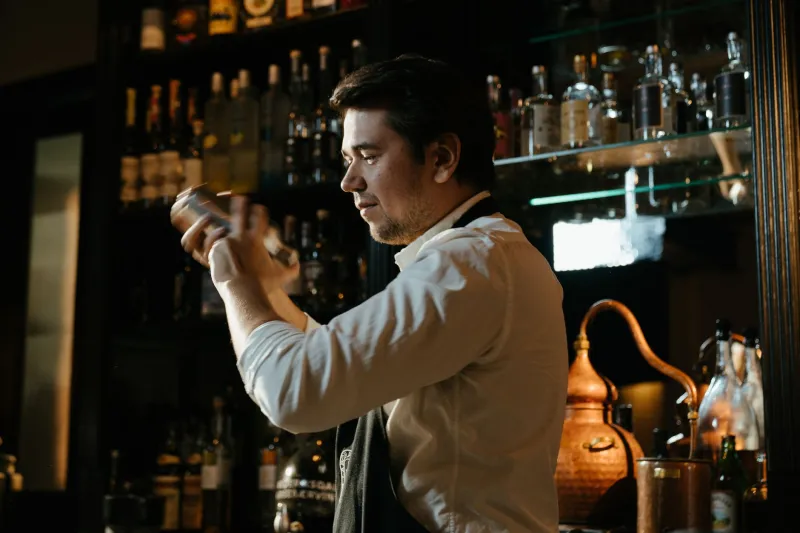
Photo by Photo by Nick Nice on Unsplash on Unsplash
There's a particular kind of satisfaction that comes from mixing a drink that somebody's great-great-grandmother might have ordered at a New Orleans bar in 1905. It tastes like history — but more importantly, it tastes good. Really good. The kind of good that makes you wonder why anyone ever stopped making it in the first place.
Pre-Prohibition cocktails are everywhere right now. Craft bars in New York, Chicago, and New Orleans have been championing them for years, but the real story is what's happening at home. Enthusiasts are tracking down vintage cocktail manuals on eBay, joining online communities dedicated to "antique" recipes, and mixing drinks that predate Prohibition with the same nerdy dedication they once reserved for sourdough starters and vinyl record collections.
So what's driving the revival? And more practically — how do you actually make these drinks work with the bottles sitting on your shelf right now?
Why These Recipes Survived in the First Place
Here's the thing about pre-Prohibition cocktails: they weren't preserved because they were trendy. They survived because they were balanced. The bartenders working before 1920 were operating in an era without electric blenders, pre-made sour mixes, or the explosion of flavored liqueurs that define so many modern drink menus. What they had was spirit, sweetener, bitter, and citrus — and they understood how to use each element with real precision.
Take the Sazerac, arguably the oldest American cocktail still in regular rotation. Rye whiskey, a sugar cube, Peychaud's bitters, and an absinthe rinse. That's it. No garnish tower, no Instagram-ready color gradient. Just four components that have been calibrated over generations to work in near-perfect harmony. The anise from the absinthe rinse doesn't overpower — it whispers. The bitters add complexity without bitterness. The rye holds everything together with a spicy backbone that sweeter bourbons simply can't replicate.
Or consider the Vieux Carré, born at the Hotel Monteleone in New Orleans sometime in the 1930s (technically just post-Prohibition, but firmly rooted in pre-Prohibition sensibility). Rye, cognac, sweet vermouth, Bénédictine, and two kinds of bitters. It sounds like a lot, but every ingredient earns its place. Nothing is decorative. That's the philosophy that defines this entire era of cocktail-making.
The Vintage Book Hunters
Ask anyone deep in the pre-Prohibition rabbit hole and they'll eventually mention the books. Jerry Thomas' Bartenders Guide from 1862. Hugo Ensslin's Recipes for Mixed Drinks from 1916. The Savoy Cocktail Book from 1930. These aren't just historical curiosities — they're working manuals, and collectors treat them accordingly.
Home bartenders who've spent time with these texts often describe the same experience: flipping through faded pages and finding a recipe that sounds almost too simple, mixing it up expecting something rough or outdated, and then being genuinely surprised by how refined it tastes. The recipes aren't primitive. If anything, they're more restrained than what passes for craft cocktails today — and restraint, it turns out, is a skill.
Reprints of many classic texts are easy to find now. The Craft of the Cocktail by Dale DeGroff and David Wondrich's Imbibe! both do excellent work translating the pre-Prohibition canon for modern readers. If you want to go deeper, used copies of original printings occasionally surface on secondhand book sites, though expect to pay collector prices for anything genuinely vintage.
Ingredient Swaps: Working With What's Available
Here's where modern home bartenders sometimes get tripped up. Several pre-Prohibition staples — genuine pre-Prohibition rye whiskey, original-formula Chartreuse, or authentic Old Tom gin — aren't exactly available at your local Total Wine. But that doesn't mean you can't get close.
Rye whiskey is actually in great shape right now. Rittenhouse 100, Sazerac Rye, and Wild Turkey 101 Rye are all widely available and perform beautifully in period recipes that call for a high-rye grain bill.
Old Tom gin — sweeter and less juniper-forward than London Dry — was a cornerstone of pre-Prohibition cocktails like the Tom Collins and the Martinez. Hayman's Old Tom Gin is back in production and easy to find in most US markets. It's an essential bottle if you're serious about this stuff.
Absinthe was famously banned in the US until 2007. Modern bottles like Kübler or St. George Absinthe Verte are excellent and widely available. For recipes that call for an absinthe rinse, you only need a small amount — swirl it in a chilled glass and discard the excess before building your drink.
Vermouth deserves special attention. Pre-Prohibition recipes often call for vermouth in ratios that would make a modern martini drinker flinch. The key is using fresh vermouth — store it in the fridge after opening and use it within a few weeks. Old, oxidized vermouth is one of the fastest ways to ruin an otherwise perfect classic.
Three Recipes Worth Making This Weekend
The Sazerac In a mixing glass with ice, combine 2 oz rye whiskey, 1 sugar cube (or ¼ oz simple syrup), and 3 dashes Peychaud's bitters. Stir until well chilled. Rinse a chilled rocks glass with absinthe, discard the excess, and strain the cocktail into the prepared glass. Express a lemon peel over the top and discard it — you want the oils, not the peel itself.
The Martinez The grandfather of the martini. Combine 1½ oz Old Tom gin, 1½ oz sweet vermouth, ¼ oz maraschino liqueur, and 2 dashes Angostura bitters in a mixing glass with ice. Stir until cold and strain into a chilled coupe. Garnish with a lemon twist.
The Vieux Carré In a rocks glass with one large ice cube, combine ¾ oz rye whiskey, ¾ oz cognac, ¾ oz sweet vermouth, 1 tsp Bénédictine, 1 dash Angostura bitters, and 1 dash Peychaud's bitters. Stir gently in the glass. Garnish with a lemon twist or a brandied cherry.
The Bigger Picture
The pre-Prohibition revival isn't really about nostalgia, even if it looks that way from the outside. It's about going back to fundamentals. These drinks work because they were built on a clear understanding of balance — how spirit, sweetener, bitter, and aromatic elements interact when you get the proportions right.
That's the same thing every good cocktail has always been about. The century-old recipes just happen to make it very, very obvious.
Pour one tonight. You'll taste exactly what we mean.